
The Australian government is making strides toward finalizing its approach to capital gains tax adjustments in the upcoming May budget. A significant aspect of this potential reform is the differing treatment of newly constructed homes compared to older properties.
The ongoing conflict in the Middle East has created uncertainty, preventing any definitive decisions from being made. However, Prime Minister Anthony Albanese’s cabinet is reportedly close to a resolution on capital gains tax reforms, which have long been a goal for the Labor Party, though they could spark significant political contention.
While the details are not expected to be confirmed until closer to the May deadline, recent reports indicate that discussions among ministers have progressed over the last two weeks regarding a potential tax package. A primary concern in these discussions is how to implement changes that do not undermine Labor’s position that increased housing availability is essential to addressing the current housing crisis. The real estate industry has cautioned that raising taxes on property investors might dampen housing supply.
As anticipated, the preferred approach appears to favor more favorable tax conditions for new investment properties rather than for existing homes. This strategy would enable the government to argue that its policy would promote construction rather than hinder it. One possible method for achieving this goal is to maintain the existing 50% discount for new constructions while reducing it for older properties. Alternatively, a more radical proposal could involve enhancing the discount for new homes beyond its current level.
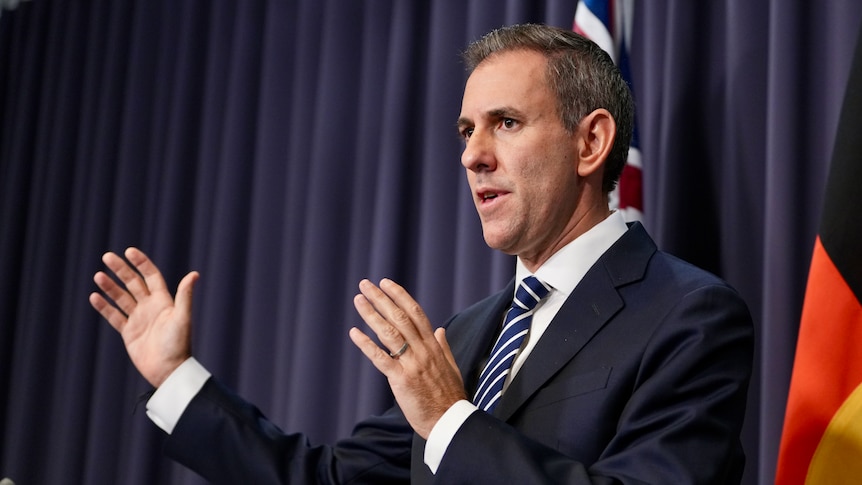
This latter option was suggested last year by the McKell Institute, a think tank aligned with Labor, in a report co-authored by independent economist Richard Holden. The report proposed a 70% discount for certain new homes and a 35% discount for older ones. Sources familiar with the government’s deliberations indicated that this report has played a significant role in shaping discussions, framing it as an exploratory exercise in anticipation of potential tax changes that Treasurer Jim Chalmers might consider.
While the McKell proposal is not necessarily the preferred option, it does signal a general trend toward distinguishing between new and existing homes to strengthen the political argument regarding housing supply. Reports from the Australian Financial Review suggest that the 50% discount for new homes is currently the most favored option.
During his tenure as opposition leader, Bill Shorten proposed a reduction of the 50% discount for all homes and sought to impose restrictions on negative gearing for older properties in 2019. Recent testimony from Treasury officials at a Senate inquiry indicated that any changes to the capital gains tax would likely have a minimal impact on housing supply, depending on how the reforms are structured. The McKell report estimated its recommendations could boost housing supply by 1.2%, translating to approximately 130,000 additional homes by 2030.
Professor Holden remarked on the report’s release, stating that there is nothing inherently wrong with the desire of ordinary investors to secure their financial future through real estate, but emphasized that this desire should align with national housing supply goals. The proposal includes a grandfathering clause, meaning that new rules would apply only to homes bought after the reforms take effect. The Greens have indicated they would prefer no grandfathering in exchange for their support, which Labor may need to secure.
One anticipated advantage of the McKell proposal is that it could potentially mitigate a contentious political clash with the property sector, as it essentially functions as a tax incentive for new construction. Additionally, the tiered tax structure might help avoid the perception of a “tax grab,” since certain properties would face higher taxes while others would see reductions, and the grandfathering clause would initially limit revenue generation.
Independent economist Chris Richardson expressed that while he does not favor the distinction between new and existing homes, he views it as an improvement over the current system. He raised two fundamental questions: what constitutes the best tax policy and what represents the best housing policy. He noted that focusing solely on tax might lead one to revert to pre-1999 capital gains tax practices, which taxed only real inflation-adjusted gains.
However, Richardson acknowledged that such a return seems unlikely. He expressed frustration that many people believe housing affordability can be resolved through modifications to housing taxation and negative gearing, despite his belief that tax should not be the primary focus. While he does have concerns regarding the capital gains tax discount, he believes it has limited impact on housing overall.