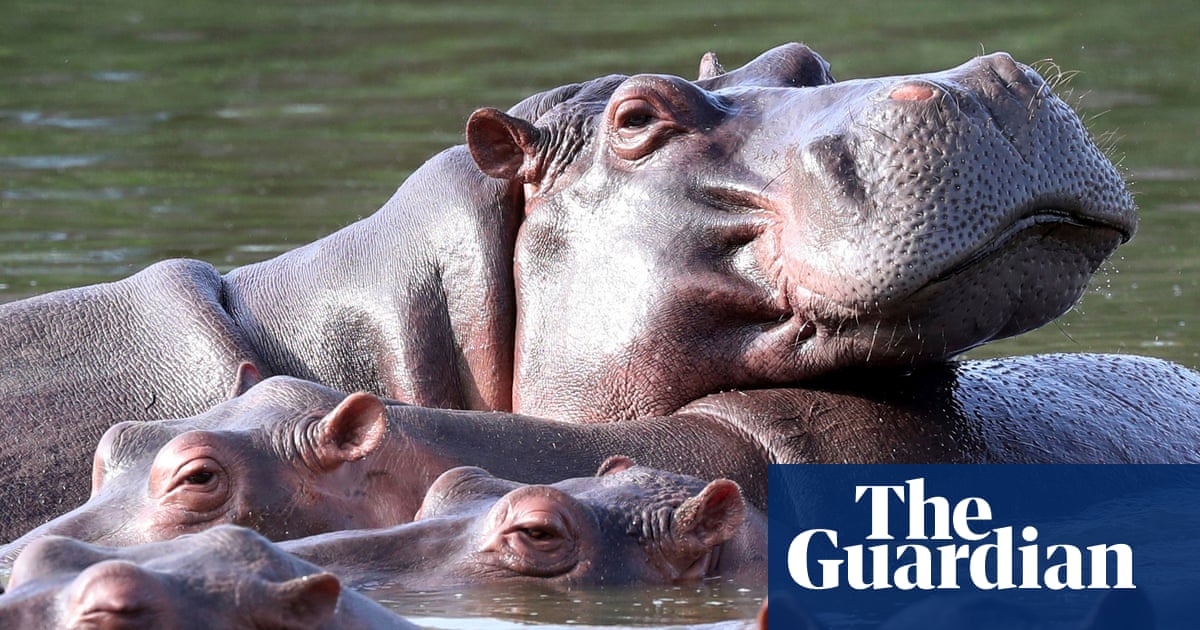

Colombian authorities have approved a controversial initiative to cull a population of hippos that originated from animals brought to the nation in the 1980s by notorious drug lord Pablo Escobar. This decision has been prompted by concerns over the hippos’ impact on local ecosystems and the safety of nearby residents.
Irene Vélez, the country’s environment minister, explained that previous attempts to manage the hippo population, such as neutering and relocating some individuals to zoos, have proven costly and ineffective. She indicated that as many as 80 hippos might be culled, although the specific timeline for this action has not been disclosed.
Colombia stands out as the only nation outside of Africa with a wild hippo population, which originates solely from four individuals brought in by Escobar for his private zoo at Hacienda Nápoles, a large estate in the Magdalena River valley.
A study conducted by the National University of Colombia estimated that there were approximately 170 hippos living freely in the region as of 2022. Recent sightings have confirmed that some of these hippos have ventured over 100 kilometers (60 miles) north of the original introduction site.
Environmental officials have raised alarms about the threats posed by these large mammals to local communities, as encounters with hippos have occurred on farms and in rivers. The hippos also compete for resources with native species, such as river manatees.
Despite the ecological concerns, the hippos have become a source of tourism, with local residents near Hacienda Nápoles offering tours for hippo watching and selling souvenirs themed around the animals.
At the Nápoles ranch, which was confiscated by the government following Escobar’s downfall, the hippos remain one of the main attractions. The site has since been transformed into a theme park, featuring swimming pools, water slides, and a zoo that showcases various African species.
Animal rights advocates in Colombia have consistently opposed the culling initiative, arguing that the hippos deserve to live and that resorting to lethal measures sets a troubling precedent for a country with a history of violence. Senator Andrea Padilla, a prominent animal welfare supporter and a key figure in the movement against bullfighting, condemned the decision as “cruel” and criticized officials for opting for an easy solution.
“Massacres and killings are never justifiable,” Padilla expressed on social media. “These are healthy animals who suffer due to the negligence of government authorities.”
Over the past twelve years, spanning three presidential terms, Colombia has made efforts to control the hippo population through neutering programs. However, these efforts have been limited by the high costs associated with capturing and surgically treating these formidable animals.
Returning the hippos to their native African habitat is also impractical, given their restricted gene pool and the potential risks of disease they may carry.