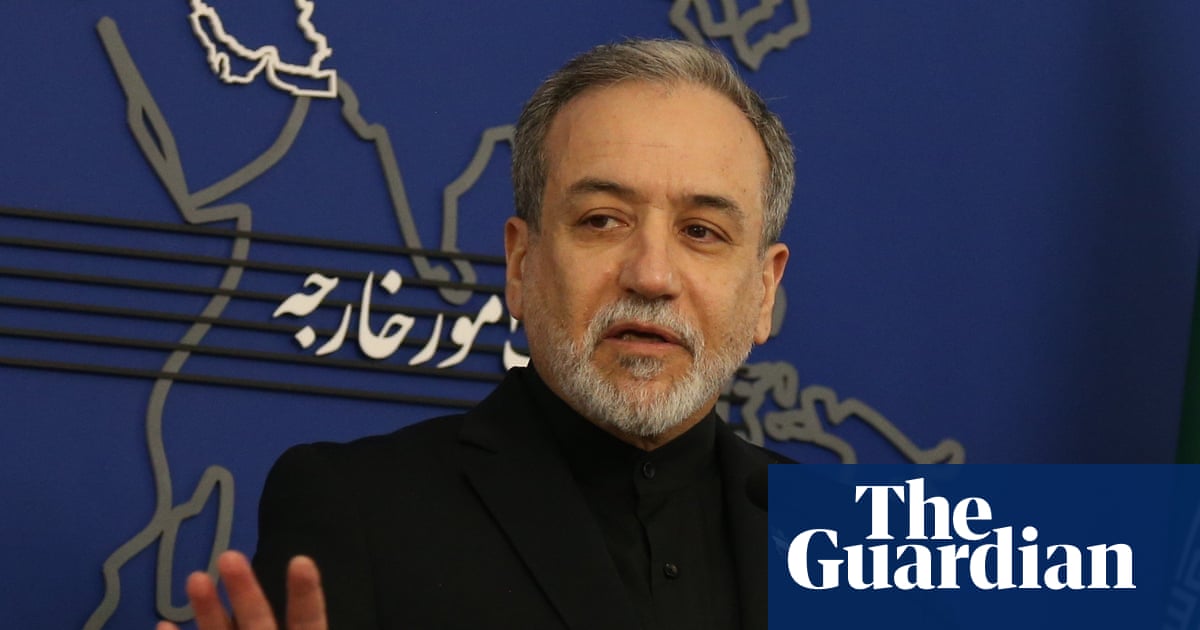

In an effort to intensify pressure on the United States to reach a compromise in its ongoing tensions with Iran, Iranian Foreign Minister Abbas Araghchi has been engaging with European capitals regarding Iran’s potential concessions concerning its stockpile of highly enriched uranium, as well as future governance of the Strait of Hormuz, following discussions held over the weekend in Islamabad.
After the talks, which did not yield a conclusive outcome, Araghchi conducted phone briefings with his counterparts from France and Germany, Jean-Noël Barrot and Johann Wadephul, in addition to foreign ministers from Saudi Arabia, Oman, and Qatar. Reports indicate that he emphasized that Iran does not consider the Pakistan-led diplomatic process to be at an end, even after 21 hours of extensive negotiations.
For over a year, European nations have been sidelined regarding issues related to Iran, largely due to former President Donald Trump’s focus on strengthening ties with Israel. Iran has consistently viewed European governments as extensions of American influence. However, the increasing transatlantic divide and mounting economic pressures on European nations have prompted Iran to reassess its approach toward Europe as a potential strategic asset against Trump.
European countries have been responding to Trump’s demands for military support by working towards establishing a non-aggressive naval coalition aimed at ensuring safe navigation through the Strait of Hormuz, though this initiative is contingent on the cessation of hostilities. This plan necessitates careful negotiations concerning engagement rules, likely to draw from the European Union’s experiences in the Red Sea during operations against Houthi forces.
French President Emmanuel Macron has announced a forthcoming joint conference with the British government to further discuss the proposal with allies, marking the third such meeting since the initiative’s inception. Any proposed plan will require consultations with Tehran, particularly regarding its plan to implement tolls.
Trita Parsi, director at the Quincy Institute, remarked that Iran is likely to explore avenues to persuade European nations to adopt a more favorable stance compared to their previous alignment with the U.S., which Iran perceives as overly submissive. If this approach fails, Iran might seek to exploit divisions within Europe, where not all states may adhere to the policies dictated by Germany, France, or the UK.
In the immediate future, Iran is expected to urge countries with minesweeping capabilities—namely Germany, the UK, and Italy—to resist U.S. pressure to initiate mine clearance operations in the Strait of Hormuz, viewing such actions as support for Trump’s illegal blockade of Iranian oil ports. The removal of mines, which are largely uncharted, poses significant risks even in a peaceful context, and even more so if conducted under threat from Iranian drones. British officials have indicated that the matter of Iranian mines will be addressed at the upcoming Franco-British conference.
Italy’s situation is complicated by Trump’s criticism of the pope and the political ramifications of Viktor Orbán’s defeat in Hungary, creating a challenging environment for the right-wing Italian Prime Minister Giorgia Meloni to yield to U.S. demands. Her previous close ties with Trump and support for Israel are now under strain.
Tehran has not yet taken a definitive stance on the French-British naval initiative, partly due to uncertainties regarding its parameters and what Iran’s long-term strategy for the Strait of Hormuz would entail, particularly concerning which vessels would incur fees, the legal framework for such fees, pricing structures, and acceptable currencies for payment.
Current legislative proposals in Iran suggest that new tolls would apply to all commercial vessels, not just oil tankers, and there is speculation that Iran may demand payment in cryptocurrency to circumvent U.S. sanctions. The Strait of Hormuz is a critical passage, accounting for 11% of global maritime trade and a third of all seaborne oil transportation.
Malley expressed skepticism regarding the sustainability of a toll system, but noted that Iran has identified a new deterrent strategy that could be more effective than developing nuclear weapons: closing the Strait of Hormuz. The UK has maintained that freedom of navigation must be preserved.
Last year, Araghchi criticized Europe’s inability to confront Trump when the E3 powers—France, Germany, and the UK—allowed the reinstatement of UN sanctions based on allegations of Iran’s noncompliance with its nuclear commitments. However, the Iranian foreign ministry has observed the increasing rift between Trump and Europe over Middle Eastern issues, which also extends to U.S. commitments to NATO and the necessity of including Israel in ceasefire negotiations by curbing its actions against Hezbollah in southern Lebanon.
Iran is deeply committed to defending Hezbollah from Israeli aggression. EU Commission President Ursula von der Leyen has emphasized the importance of incorporating the conflict in Lebanon into any discussions surrounding a ceasefire, noting that the ongoing crisis is resulting in an additional €22 billion in energy costs due to rising fossil fuel prices.
Regarding Iran’s nuclear program, senior officials have reiterated their willingness to demonstrate good faith by diluting their stockpile of highly enriched uranium rather than transferring it to a third party. Ali Nikzad, deputy speaker of Iran’s parliament, stated, “The Islamic Republic was prepared to dilute—not hand over—450 kilograms of enriched uranium.” He further explained that a consortium involving Iran, the United States, and Saudi Arabia was proposed for the purpose of dilution, but the U.S. subsequently withdrew from the arrangement.
Nevertheless, European diplomats remain uncertain about how to convince Iran to make concessions concerning its nuclear program, such as a long-term halt to domestic enrichment activities, given the lack of guarantees regarding the permanence of U.S. sanctions relief. Some diplomats have suggested that the Strait could serve as a viable source of revenue or compensation should the U.S. retract its sanctions.