
A parliamentary inquiry in New South Wales (NSW) is currently examining proposed waste-to-energy incineration facilities intended to process Sydney’s refuse in regional locations. On Tuesday, members of the upper house committee visited Parkes to gather feedback from local residents regarding their concerns.
Additional hearings are set to take place in Sydney and Goulburn next month, after which the committee will compile its findings.
During the inquiry, representatives from a regional school in NSW expressed fears about a significant decline in student enrollment if a waste incinerator is constructed just a few kilometers from their institution. The inquiry is specifically focusing on incinerators designed to convert the contents of Sydney’s red bin waste into electricity. Previous state government decisions identified Parkes, Tomago, Lithgow, and Goulburn as potential sites for these waste facilities.
The proposed Parkes Energy Recovery facility, with an estimated cost of $1.5 billion, aims to incinerate 700,000 tonnes of waste annually, pending approval. The committee’s visit to Parkes was aimed at assessing the planned technology and its implications for public health, agriculture, and natural resources such as soil and water.
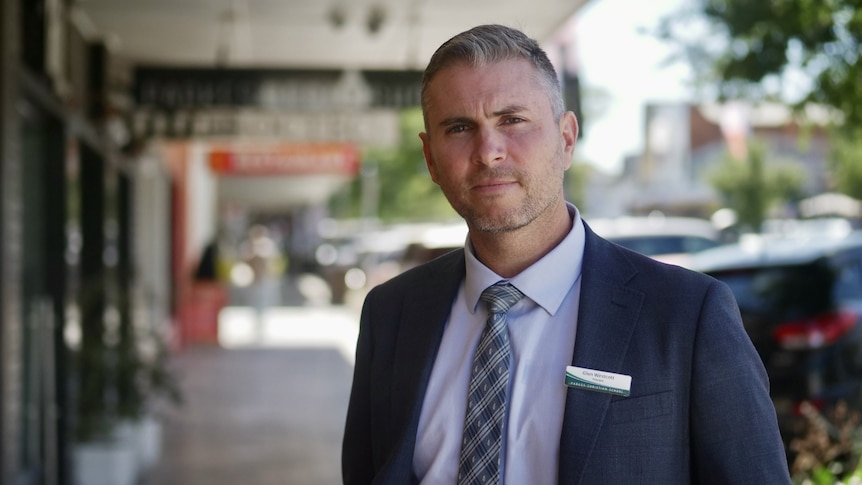
Glen Westcott, the principal of Parkes Christian School, warned that the incinerator could have “catastrophic” effects on the local population. He indicated that feedback from both parents and staff suggested they might reconsider their ties to the school and the community if the project moves forward. Westcott highlighted that the school is currently engaged in a 12-year development plan valued at $22 million, which is directly linked to enrollment numbers. He noted that student enrollment has increased from 160 to 430 over the past nine years, with expectations to reach nearly 500 by 2027.
Westcott emphasized that community perception plays a crucial role, stating, “If we discover in 30 years that the facility is safe but have already lost 30 percent of our students, the damage will be irreversible.”
Concerns were also raised by several Indigenous groups regarding the potential impact of toxins on culturally and environmentally significant sites. Karryn Schaefer, chair of the Peak Hill Bogan River Aboriginal Advisory Committee, expressed worries that harmful particles could affect the Snake Rock Aboriginal Area and its significant artworks. She noted, “What touches country touches us — our bodies, our food, and our spirit.”
Aunty Frances Robinson, chairperson of the Peak Hill Local Aboriginal Land Council, voiced her disappointment at having only participated in one consultation regarding a development that could have serious consequences for the community. She stated, “Water is the bread of life. How could I agree to a project that jeopardizes what we have?”
Local government and community organizations have also expressed their opposition to the incinerator project. Parkes Mayor Neil Westcott addressed the committee, highlighting a lack of transparency and community engagement as reasons for the council’s objection. He stated, “The people of Parkes feel abandoned and betrayed by the NSW government. If these incinerators are safe, provide us with the evidence; if not, halt the project.” Councillor Joy Paddison added that out of the town’s population of 8,000, 6,500 residents signed a petition against the incinerator, and 70 percent of survey respondents opposed the development.
“When does ‘no’ mean ‘no’? Thousands of people are against this,” Paddison remarked, questioning why the proposal was being pushed forward despite public dissent.
The Parkes Clean Future Alliance, which opposes the project, raised concerns about the lack of information regarding the facility and its emissions. Jacob Unger, a member of the group, stated, “If it can prove its safety, there shouldn’t be an issue.” Additionally, the Peak Hill branch of the NSW Farmers Association expressed anxiety over potential pollutants from waste incineration that could compromise their water and soil quality, affecting their agricultural operations.
The committee concluded the day’s hearings with a public forum, allowing community members to voice their opinions. While the majority expressed opposition to the incinerator, a few residents supported the project. Christine Carter argued that it could provide significant benefits to the region, asserting, “Waste to energy is the future; let’s position Parkes as a leader in this technology in our country.” Conversely, Francis Kennedy criticized the negative portrayal of the project by opponents, suggesting that “scaremongering” has harmed the community’s perception.
The committee is set to hold further hearings in Sydney and Goulburn next month before finalizing its conclusions. Parkes Energy Recovery has been approached for a statement regarding the ongoing inquiry.