
In the lead-up to his overwhelming electoral triumph in 2010, which ultimately resulted in 16 consecutive years in power, Viktor Orbán often conveyed to his supporters, “We need to win just once, and then do it right.” Securing a supermajority by winning two-thirds of the parliamentary seats empowered Orbán to amend the constitution and initiate a transformation of Hungary into a soft autocracy. This shift involved systematically eroding the checks and balances fundamental to a democratic society, undermining institutions such as the judiciary, media, and universities, while sidelining minority groups. Consequently, Hungary became a prominent figure for the global far-right and a source of contention for the European Union.
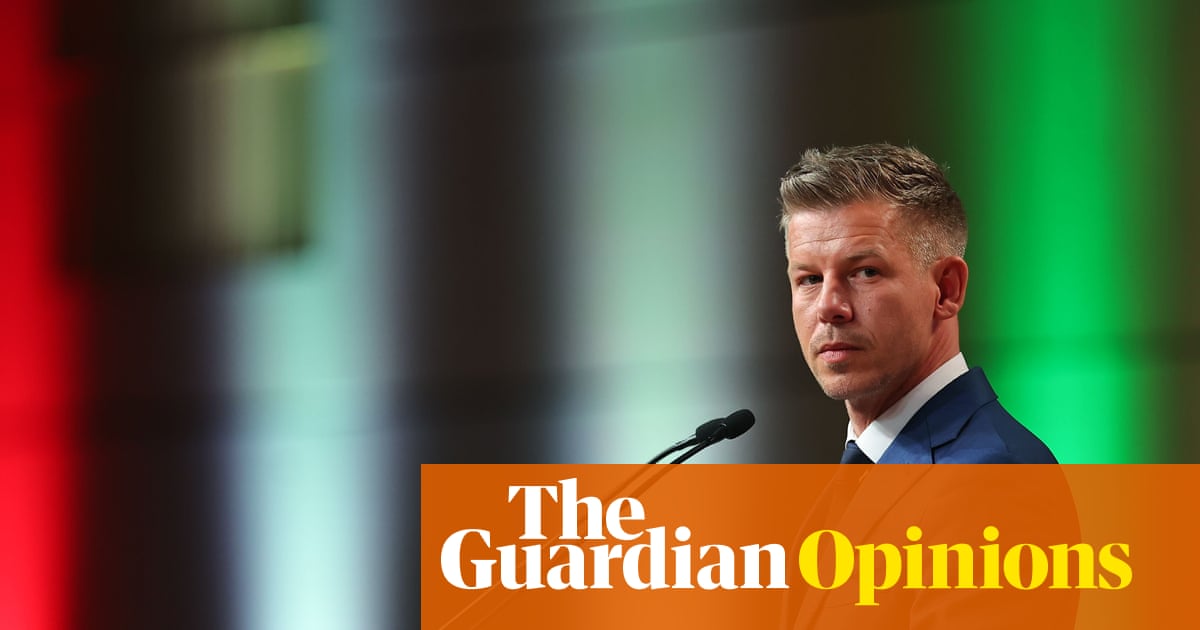
Remarkably, in a recent election, it was Orbán’s center-right rival, Péter Magyar, who managed to “win properly.” With an unprecedented voter turnout, his Tisza party is poised to secure its own supermajority. Considering Orbán’s grip on state media and the strategic manipulation of electoral districts to benefit his Fidesz party, this outcome is truly extraordinary.
The clear nature of Magyar’s victory grants him the authority to embark on the challenging task of “de-Orbánising” a society where the former prime minister’s influence was deeply entrenched in civic life. Under Orbán’s leadership, a self-serving elite flourished while the broader population suffered from economic stagnation, compounded by the misallocation and mismanagement of EU funds. Although Magyar, a disillusioned ex-member of Fidesz, does not present himself as a progressive, he campaigned on an anti-corruption platform and early signs suggest he will promptly address some of the most significant wrongdoings from the Orbán administration.
Brussels has reacted with considerable optimism to Magyar’s win, believing it may signify the end of a prolonged conflict with a member state that had strayed from EU values concerning the rule of law and minority rights. One of the new leader’s immediate responsibilities will be to implement judicial reforms and enhance academic freedom, which are crucial steps to unlock €17 billion in EU funds that have been suspended.
On matters concerning Ukraine, Magyar has expressed similar views to Orbán, opposing the provision of weapons to Kyiv as well as EU accession discussions. However, differences in migration policy are likely to emerge. In statements to the press on Monday, he indicated a willingness to move toward compromise rather than confrontation. Unlike Orbán, who often escalated tensions with Brussels regarding Russian sanctions and other issues—essentially acting in alignment with Vladimir Putin—Magyar aims to foster a more cooperative relationship with the EU.
Conversely, both Washington and Moscow find themselves without a leader they valued for his ability to disrupt European unity. Last week’s visit by U.S. Vice President JD Vance and Donald Trump’s promise of economic support for Orbán failed to secure his position and may have exacerbated the situation. As the need for enhanced EU cohesion becomes increasingly urgent in a challenging global landscape, the citizens of Hungary have taken a significant step towards achieving that objective.
Ultimately, this election represented a crucial moment for Hungarian citizens to reclaim their democracy. As Magyar stated on Monday, following years of Orbánism, the populace was calling out in large numbers for “not just a change of government, but a change of regime.” Polling data indicates that particularly the youth mobilized en masse to remove a leader whose authoritarian influence had dominated their nation’s politics for much of their lives. In a spectacular turn of events, they succeeded.