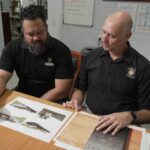

Ukulele enthusiasts on the Sunshine Coast are building connections through their mutual passion for music.
On a typical mid-week morning at a Queensland RSL club, the atmosphere resembles that of a bustling Saturday night, filled with energy and excitement.
Approximately 100 individuals, many brandishing ukuleles, are united in song.
“The joy of performing together and sharing our music is what I cherish the most — it brings happiness to everyone involved,” expressed Vanessa Schmidt.
Schmidt is a member of the Parkbench Ukulele Players, a group that originated in Tewantin on the Sunshine Coast over a decade ago.
“Initially, a few friends and I wanted to learn the ukulele, and we were all facing challenges, so we decided to meet weekly in a local park,” recalled founding member Lin Nolan.
“We began with just five participants, and now our community has expanded to 600 members.”
According to Terry Nolan, Lin’s husband, the group has evolved significantly since its inception, including changes in venue and the adoption of technology.
“We started out with printed song sheets, but it became impractical as we needed a large amount of paper every week,” he noted. “I suggested everyone invest in an iPad or tablet, and I would provide the music in a digital format. That decision significantly propelled our growth.”
The club showcases a diverse array of musical styles, from rockabilly to country, bluegrass, and contemporary rock. Most songs feature only three or four chords, which makes them accessible for players.
“The atmosphere is one of community and enjoyment; we prioritize having fun while playing,” said Ms. Nolan. “The focus is on coming together to sing and appreciate music.”
A recent study conducted by Monash University investigated the effects of music on individuals, tracking over 10,000 participants aged over 70 over a decade. The findings indicated that those who regularly engaged with music had a 39% lower risk of developing dementia compared to those who did not, while actively playing an instrument correlated with a 35% reduction in risk.
Senior author Joanne Ryan emphasized the importance of preventive measures against dementia in the absence of a cure. “While we cannot guarantee that listening to music will prevent dementia, it provides a comprehensive mental exercise,” Professor Ryan stated. “Research shows that listening to music activates numerous areas of the brain.”
Furthermore, she noted that music can alleviate stress and promote relaxation. “It has the potential to decrease symptoms of depression and slow heart rates,” she added. “The cumulative effects of music likely contribute to a reduced risk of dementia.”
This sentiment resonates with Ms. Nolan, who at 77, believes that both playing and listening to music are vital for keeping her mind sharp. “Remembering the songs and chords requires mental effort,” she reflected. “Moreover, social interaction is crucial for mental well-being.”