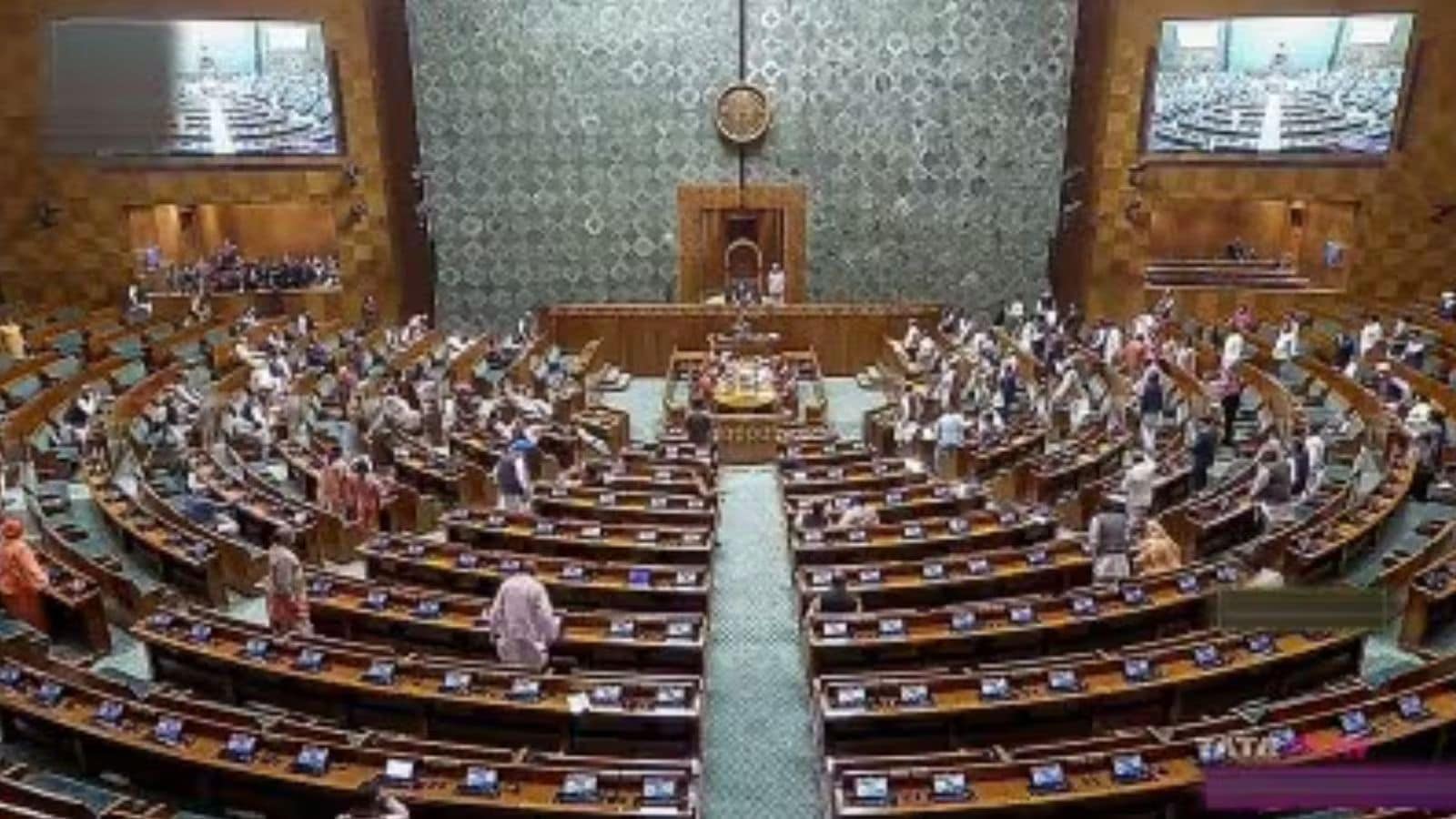

The government has introduced three legislative proposals aimed at facilitating a new delimitation process, which will be based on a Census that Parliament designates, likely the 2011 data. These proposals include an increase in the Lok Sabha’s membership from 543 to 850 and the establishment of a one-third reservation for women in both Parliament and state assemblies.
The legislative package comprises the Constitution (One Hundred and Thirty-First Amendment) Bill, 2026, the Delimitation Bill, 2026, and the Union Territories Laws (Amendment) Bill, 2025. This initiative builds upon the Constitution (One Hundred and Sixth Amendment) Act, 2023, which introduced women’s reservation but tied its implementation to a future Census and delimitation process.
The primary goal of this initiative is to lift the long-standing constitutional freeze on the adjustment of seats, which had permanently linked representation to the 1971 Census. The new amendment permits delimitation based on the “latest published census figures” as determined by Parliament, thereby allowing for a thorough redistribution of seats that reflects current population dynamics.
This amendment restricts the number of elected representatives from states to 815 and from Union Territories to 35, resulting in a significant enlargement of the Lok Sabha and altering the dynamics of parliamentary majorities.
The Constitution (One Hundred and Thirty-First Amendment) Bill, 2026, aims to revise Article 81 of the Constitution, which addresses the composition of the Lok Sabha. The proposed change would raise the total number of seats to 850, up from the existing ceiling of 550.
Currently, Article 81 (2) and (3) maintain the number of Lok Sabha seats based on the 1971 Census and Assembly seats based on the 2001 Census, “until the relevant figures for the first Census taken after the year 2026 have been published.” Typically, this would imply that the next Census would occur in 2031, but the 2021 Census has faced delays.
The Bill also modifies the title of Article 82 from “Readjustment after each Census” to “Readjustment of constituencies” and eliminates the stipulation that mandates the readjustment of Lok Sabha seats in states after every Census.
Furthermore, amendments to the Articles concerning state Assemblies and reservations for Scheduled Castes and Scheduled Tribes now shift the basis from the 2001 Census to the “Census” that Parliament selects by law.
The Delimitation Bill outlines the structural framework for this process. It establishes a Delimitation Commission, chaired by a Supreme Court judge, with the Chief Election Commissioner and State Election Commissioners as members. This Commission will have the authority of a civil court and will be responsible for distributing seats among states, redrawing constituency lines, and determining reservations for SCs, STs, and women.
In addition to using the most recent Census data, the Delimitation Commission will also strive to ensure that constituencies are geographically compact. It will consider factors such as physical features, existing administrative boundaries, communication facilities, and public convenience.
Importantly, this exercise will activate the women’s reservation law enacted in 2023, which mandates that one-third of seats in the Lok Sabha and state Assemblies, including those within SC and ST quotas, be reserved for women. These constituencies will be rotated after each delimitation cycle.
The reservation is set to last for 15 years, with the potential for Parliament to extend this duration.
In the rationale for the Constitution amendment Bill, Law Minister Arjun Ram Meghwal highlighted the lengthy timeframe required for the next Census.
“While the freeze on seats based on the 1971 Census served an important policy objective, the demographic landscape of the country has changed significantly. This change is reflected in the latest Census figures, which show substantial inter-State and intra-State population shifts, rapid urbanization, and migration trends, resulting in significant disparities in population and constituency sizes. The next Census and subsequent delimitation process will take considerable time, thereby delaying women’s effective participation in our democratic processes,” he stated on April 11.
The Union Territories Bill introduces necessary modifications to the laws governing Delhi, Jammu and Kashmir, and Puducherry.
The timing of these proposals is politically relevant. The 2023 amendment had faced backlash from opposition parties for postponing implementation by linking it to future delimitation following a new Census. By advancing the delimitation framework, the government is now taking steps to implement a long-stalled reform.
Simultaneously, this initiative raises a delicate political issue regarding the redistribution of seats among states. The freeze, established in the 1970s to encourage population control, has allowed states that successfully lowered fertility rates, primarily in the south, to retain their seat allocations despite slower population growth. A new delimitation based on updated Census data could potentially amplify the representation of states in the Hindi heartland, where population growth has been more pronounced, potentially diminishing the relative influence of southern states.
However, the government has assured that the current proportional representation of states in Parliament will remain intact. It will be the responsibility of the delimitation commission to devise a formula that honors this commitment.
Moreover, the Bills include procedural safeguards, such as publishing draft delimitation proposals, soliciting public objections, and conducting hearings prior to finalization.
Once enacted, the orders issued by the commission will have the force of law and cannot be contested in court.