
Following a recent intervention by the Jharkhand High Court regarding the lack of police action in the case of an 18-year-old girl who went missing in Bokaro, significant developments occurred on Saturday. The skeletal remains of the girl were discovered, leading to the suspension of 28 police officers due to alleged negligence and possible collusion.
The young woman had been unaccounted for since July 21 of the previous year. Her mother reported her disappearance to law enforcement on the same day, but the formal complaint was not filed until August 4, over ten days later. The family claimed that the police initially hesitated to accept their complaint and discouraged them from identifying any suspects.
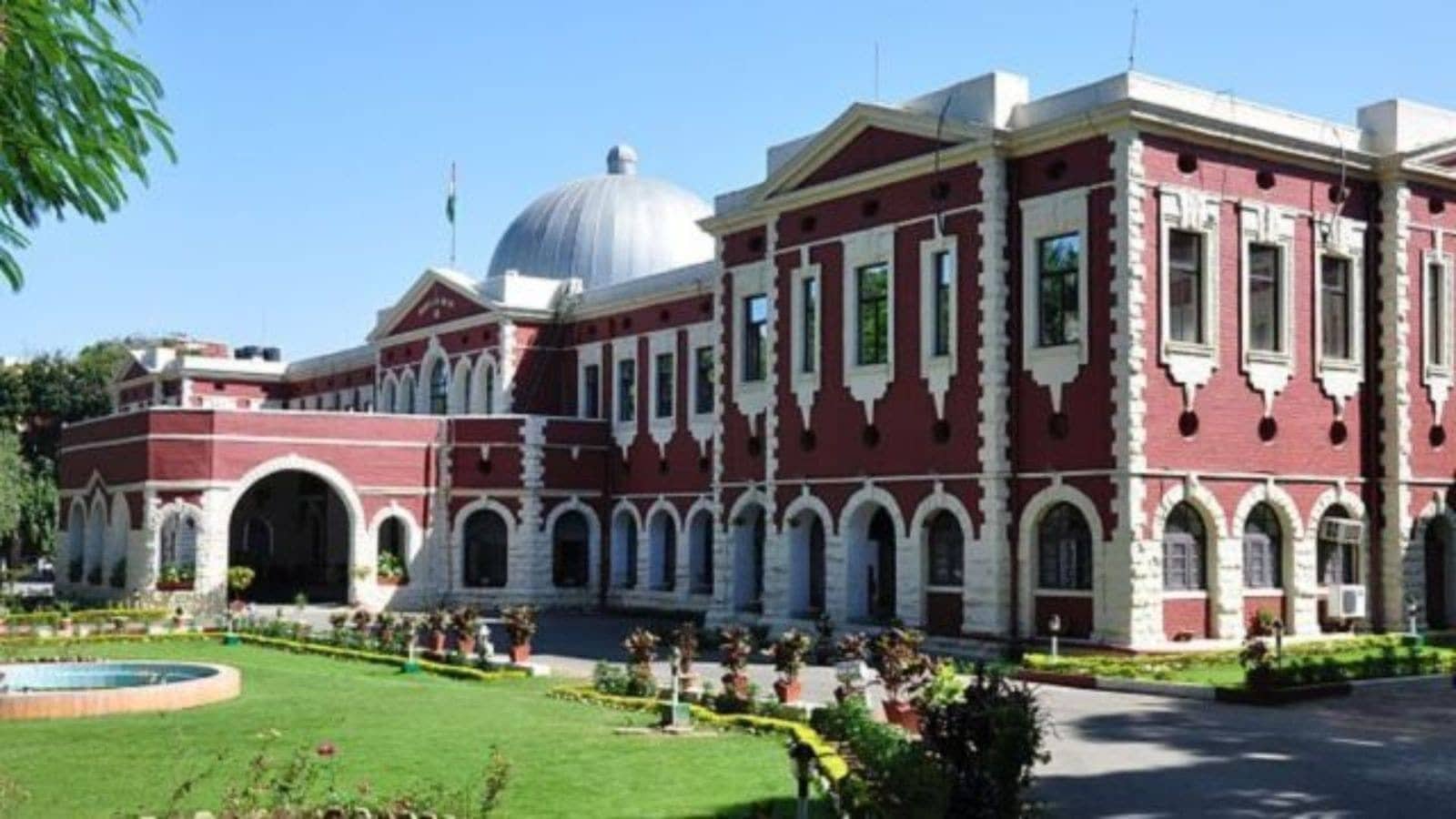
The situation escalated to the Jharkhand High Court, which issued a Habeas Corpus order on April 9. The court criticized the Bokaro police for their lack of genuine effort in locating the girl and expressed concern over reports of harassment directed at her family. The court characterized the police’s conduct as “contemptuous” and a hindrance to the justice process.
Additionally, the court questioned the circumstances surrounding the alleged assault of a family member of the victim, who was called to the police station despite not being an accused individual. The court cautioned that any harm to the family would result in “personal accountability” for the Bokaro Superintendent of Police. Subsequently, the court instructed Jharkhand DGP Tadasha Mishra to investigate the situation.
In light of these events, a new police team, led by an officer of the Deputy Superintendent rank, resumed the investigation. According to Bokaro SP Harvinder Singh, suspicions were raised regarding a primary suspect, Dinesh Mahto, who was taken into custody. The victim’s family had implicated him due to a previous relationship with the girl.
During questioning, Mahto allegedly confessed to the crime, stating that the girl was killed on the same day she disappeared in July of the previous year. Based on his confession, investigators recovered her skeletal remains, along with personal items including clothing, hair, and a weapon believed to be used in the murder, from a wooded area near a local college, as detailed by Singh.
The SP noted that although Mahto had been interrogated previously, there had been no substantial verification at that time, and despite numerous reviews of the case, no progress had been made until new evidence emerged.
As a result of the investigation’s shortcomings, all 28 police personnel assigned to the local station, from constables to the officer in charge, have been suspended. The SP indicated that this action was taken after findings suggested that the previous investigation did not adhere to proper procedures, undermined the case, and raised suspicions of favoritism towards the accused.
For the victim’s family, the discovery of her remains has elicited a mix of closure and frustration. The mother expressed her anger that the accused had been apprehended previously without any follow-up action. “That is why we had to approach the high court,” she stated.
She demanded severe punishment for the perpetrator, emphasizing her daughter’s innocence and youth. “My daughter was just 18, and we feel powerless against this corrupt system. We will continue to fight, as we have witnessed the harsh realities of powerful individuals. Our lives hold no value to them,” she remarked.
The mother further alleged that her family faced significant intimidation throughout the investigation. “Instead of searching for my daughter, they dared to harass us physically. One by one, our relatives were taken in and threatened,” she said, adding that they now intend to take legal action against the police officers involved.
These concerns were echoed by the high court, which noted instances of coercion, intimidation, and attempts to extract false testimonies from the victim’s relatives.
The court also acknowledged claims that police were pressuring family members to provide statements as directed and threatening them with the possibility of a false FIR if they did not comply.
The case is set for a subsequent hearing on April 15.
Shubham Tigga serves as a Correspondent for The Indian Express in Pune, where he focuses on issues at the intersection of infrastructure, labor, and the contemporary economy. His reporting covers civil aviation, urban mobility, the gig economy, and workers’ unions, delivering critical insights into how transportation and commercial sectors affect citizens’ everyday lives.
Prior to his tenure in Pune, he reported extensively from Chhattisgarh, concentrating on Indigenous rights, environmental justice, and grassroots movements in mainland India. This background provides him with a unique perspective on the effects of large-scale infrastructure projects on local communities.
Tigga is an alumnus of the Asian College of Journalism (ACJ), where he developed his investigative and ethical journalism skills. His academic credentials, combined with field experience in Central India, enable him to adeptly navigate complex socio-economic issues with precision and insight.
Stay informed with the latest updates by following us on Instagram.