
The European Union is anticipated to initiate the distribution of a new €90 billion loan to Ukraine in the upcoming second quarter, as indicated by the bloc’s economy commissioner, Valdis Dombrovskis, in an interview with AFP on Thursday. Dombrovskis made these remarks during the International Monetary Fund (IMF) and World Bank’s spring meetings in Washington, which gathered finance ministers, central bankers, and other significant figures. He emphasized that ongoing support for Ukraine, coupled with continuous pressure and sanctions against Russia, was a key topic under discussion. He expressed concern that Russia might be benefiting from the ongoing conflict in Iran, stating, “Moscow is emerging as a winner from this war, as it generates substantial profits to sustain its military efforts.”
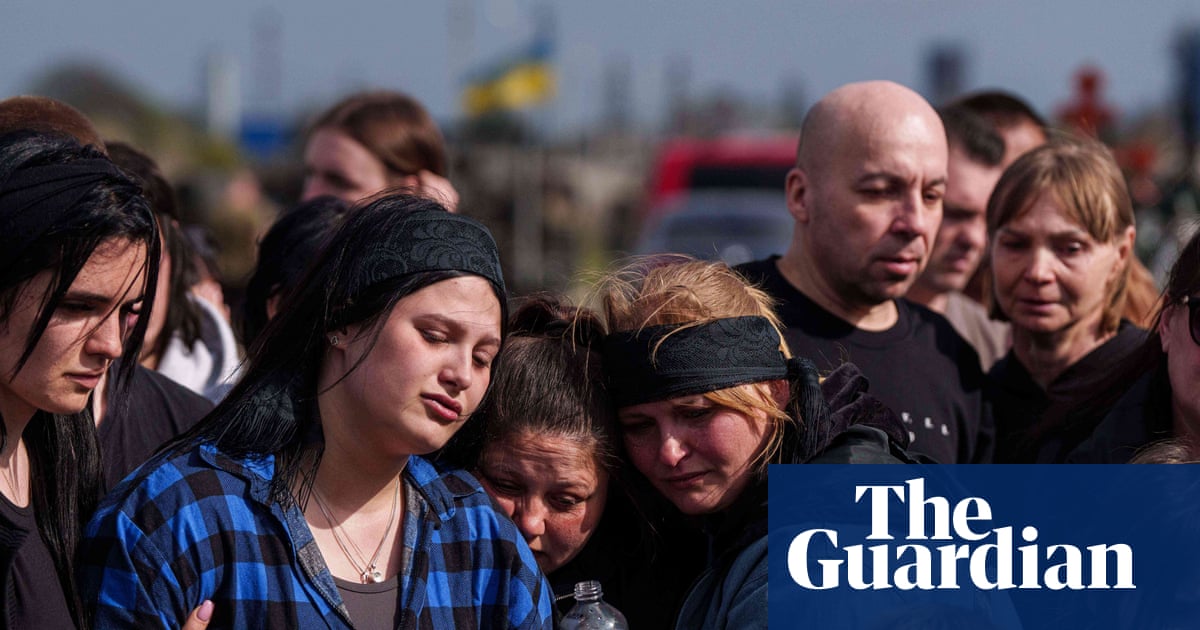
On the same day, Ukrainian authorities reported that Russia launched a significant assault on civilian areas across Ukraine, utilizing drones and missiles, resulting in at least 17 fatalities and over 100 injuries, marking one of the most severe aerial attacks in recent weeks. The attack involved nearly 700 drones along with numerous ballistic and cruise missiles, with Ukrainian officials noting a concerning depletion of critical advanced interceptor systems.
Former U.S. President Donald Trump publicly condemned the extensive Russian drone and missile strikes that struck apartment complexes in Kyiv. When questioned by reporters at the White House regarding the attacks, Trump remarked, “I think it’s terrible.”
German Vice Chancellor Lars Klingbeil, speaking in Washington, underscored that it is not beneficial for the U.S. if Russia emerges victorious from the situation in Iran. He asserted, “This is not in our interest, and it cannot be in the interest of the United States,” during a joint statement with the finance ministers of Ukraine and Norway at the IMF spring meetings. Klingbeil pointed out that the Russian economy is experiencing growth due to the conflict in the Middle East and is capitalizing on the energy landscape. As discussions at the IMF primarily centered around the Middle East conflict, the finance ministers of Norway, Germany, and Ukraine reiterated the need to remain committed to supporting Ukraine in its defense against Russian aggression. Klingbeil remarked, “All the meetings here are focused on the developments in Iran, and it is crucial that we demonstrate solidarity with our allies in Ukraine.”
Additionally, the leaders of the EU and NATO convened on Thursday to deliberate on strategies to enhance Europe’s arms manufacturing capabilities. This discussion came amidst Donald Trump’s expressed skepticism regarding the U.S. commitment to the transatlantic alliance. Following a meeting with NATO Secretary-General Jens Stoltenberg, European Commission President Ursula von der Leyen highlighted the necessity for increased investment and accelerated production, stating, “We need to invest more, to produce more, and to do both faster.” European nations are racing to strengthen their military capabilities in response to Russia’s actions in Ukraine and the pressures from Trump.