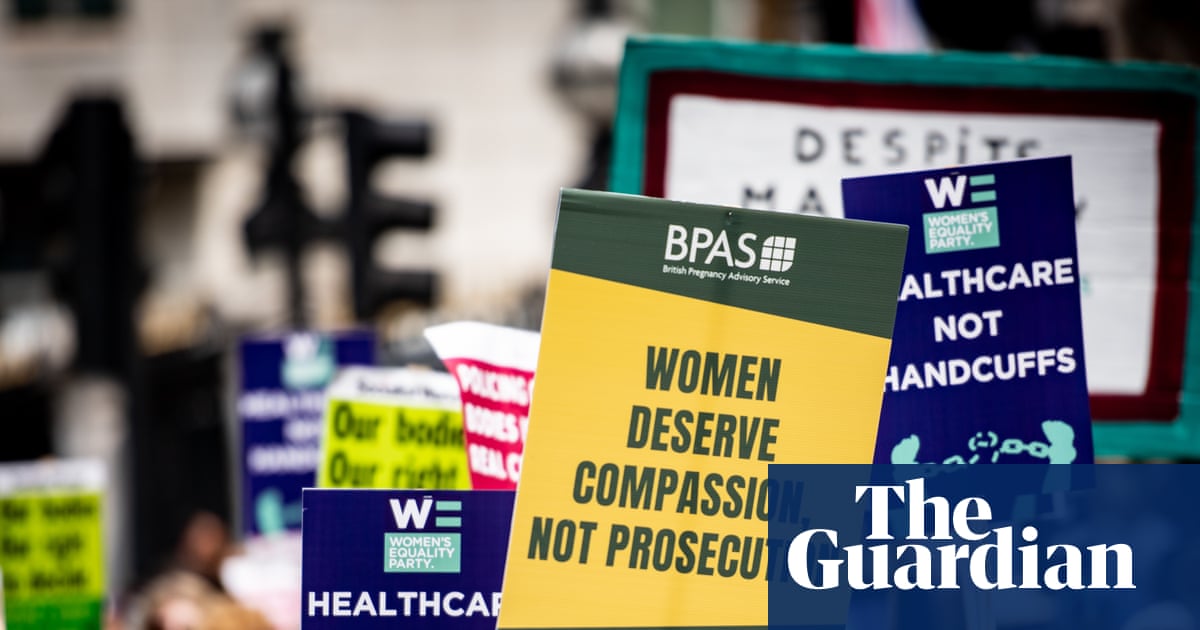

The final parliamentary obstacle has been cleared for legislation aimed at pardoning women convicted of illegal abortions in England and Wales, signaling a significant legal shift.
This amendment to the crime and policing bill, which will also erase police records for those arrested or investigated for illegal abortions, was debated in the House of Lords during a back-and-forth process between the Lords and Commons.
The bill is anticipated to receive royal assent soon, officially enacting it into law. Additionally, it will cease the prosecution of women who choose to terminate their own pregnancies, incorporating a clause introduced in the Commons last year by Labour backbencher Tonia Antoniazzi.
Antoniazzi expressed her satisfaction with the parliamentary decision, stating, “I’m very pleased that parliament has approved a protection for women already harmed by outdated criminal law related to abortion. This will mean a great deal to these women who have been through an awful ordeal.”
She continued, “Automatic pardons for convictions or cautions, along with the expunging of arrest and investigation records, will allow these women to reintegrate into society, pursuing careers and opportunities without the burden of disclosing their past experiences or facing societal stigma.”
Julia Porter Burke, a doctoral student at Columbia University researching the history of abortion in England and Wales, noted that only 20 women were charged with procuring their own abortions throughout the 19th century, based on existing court records.
While more recent statistics on abortion-related charges are less comprehensive, estimates indicate that the number of women charged in the past two decades may equal those charged in the entire 19th century.
Among the women eligible for pardons is Fanny Warboys, the first woman prosecuted under the 1861 Offences Against the Person Act. Warboys, a widow, suffered severe injuries after undergoing an illegal abortion and, facing grave health issues, informed authorities about her provider.
Despite her ordeal, Warboys was tried and convicted, leading to a sentence of three months’ imprisonment. Court records detail her emotional collapse upon hearing the potential maximum penalty of life imprisonment.
Another case from 1891 involved Mary Jane Baynon, a 32-year-old widow who traveled 500 miles from Sligo, Ireland, to London seeking an abortion. Her appointment was compromised when the supposed surgeon reported her to the police. Baynon confronted him in court, expressing her dismay at his actions.
Historical court records from the 19th century also reveal instances of judges displaying empathy towards women in similar situations. For example, Emma Sarah Rice, found guilty of an illegal abortion in 1881 while still pregnant and in poor health, received a mere one-day sentence without hard labor, with the presiding judge expressing that she deserved pity rather than punishment.
Despite the cessation of prosecutions and the pardoning of those convicted, concerns remain regarding women currently under investigation who may still face legal repercussions, as their cases might not be resolved until after the law is enacted.
Antoniazzi reassured that “Parliament has been clear that no woman should be criminalized for abortion and this is now set to become law.” She urged the police and Crown Prosecution Service (CPS) to heed this directive and halt ongoing inquiries, labeling the expenditure of public funds on outdated investigations as unreasonable.
Both the CPS and the National Police Chiefs’ Council were contacted for comments on this matter.