
Greatness in sports is not solely measured by statistics. While Nick Faldo’s six major championships give him an edge over Rory McIlroy’s five, particularly in discussions about Europe’s greatest golfer, McIlroy’s accomplishment of achieving a career grand slam sets him apart. This achievement, which showcases his ability to conquer all major challenges in golf, positions him as a strong contender for the title. For those inclined to include historical figures like Harry Vardon in the debate, examining Vardon’s performance during his seven major victories would be insightful.
McIlroy’s recent accomplishment of defending his Masters title, marking his sixth major win, places him among elite players like Faldo, Phil Mickelson, and Lee Trevino. He is now just one victory away from tying Arnold Palmer and pursuing Gary Player’s record of nine majors. Watching McIlroy compete until the very last hole at Augusta National highlights the captivating and exhilarating nature of his game, which garners admiration. The Northern Irish golfer was nearly crowned champion once again, showcasing his remarkable ability to visualize recovery shots even in challenging situations. Love him or hate him, McIlroy undeniably captures attention.
Following McIlroy’s narrow victory, Faldo rushed to congratulate him, presenting a note about joining the exclusive club of consecutive Masters winners. Throughout the week, Faldo referenced his own 1996 comeback against Greg Norman, a legendary moment in Masters history that, while impressive, did not earn him widespread adoration. Faldo’s reputation was built on his reliability and effectiveness, yet he was often viewed as more of a workmanlike figure than a beloved personality outside the golf world.
In contrast, McIlroy’s background, originating from modest beginnings in Belfast, resonates with a broader audience. His struggle to secure a fifth major, particularly the Masters, has struck a chord with those who may not follow golf closely. McIlroy represents a relatable figure in the sport. He articulated his philosophy: “If you put in the hours and focus on the right things, success will eventually come,” a statement that, while seemingly simple, underscores the challenges he faced at Augusta.
McIlroy’s presence creates an electric atmosphere. This year’s Masters exemplified that energy: he built a commanding six-shot lead, relinquished it, struggled with a three-putt on the fourth hole, and then executed a remarkable nine-iron shot on the iconic 12th hole, all while flirting with danger on the final hole. Watching him play is both thrilling and exhausting, a sentiment echoed by Rafael Nadal, who seemed captivated by McIlroy’s every move on the course.
Reflecting on his performance, McIlroy acknowledged, “I don’t make it easy.” He recalled a time when winning came more comfortably in his early twenties, where he often won by significant margins. His victories at the 2011 U.S. Open and the 2012 PGA Championship were compelling in their own right, but the Masters typically presents a more competitive challenge, with McIlroy having won by five shots only once, in 2020 under unusual conditions.
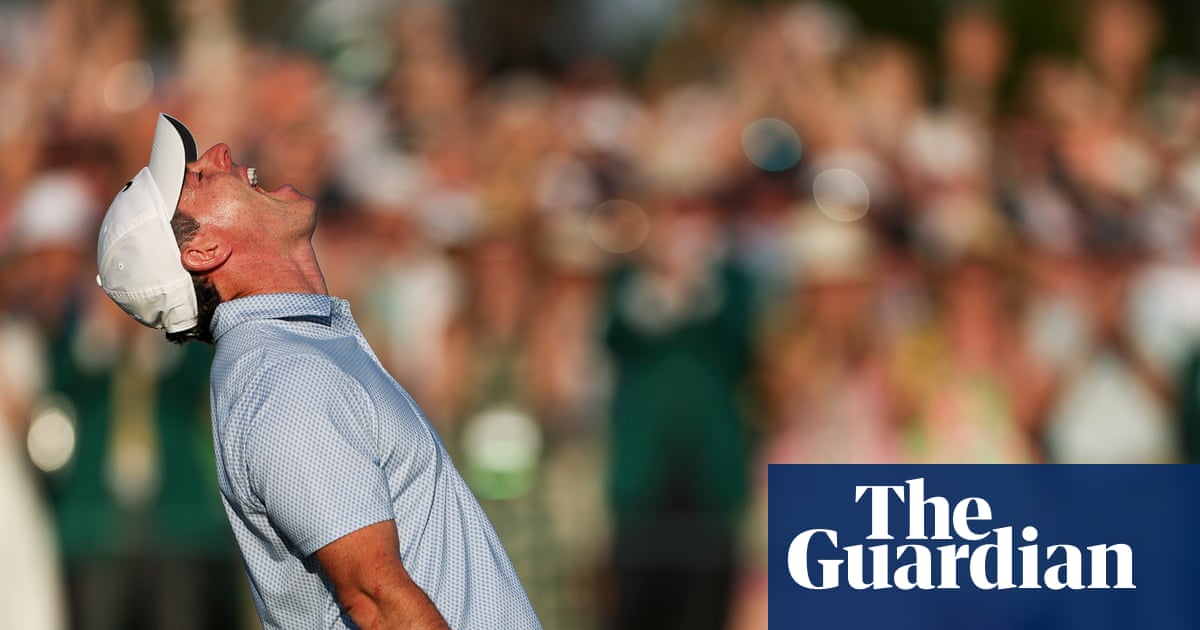
Securing the Green Jacket for a second time, McIlroy ranked 52nd in driving accuracy out of 54 players who made the cut, hitting just 31 of 56 fairways. This performance draws comparisons to Seve Ballesteros, a European golf icon known for his ability to escape tricky situations. McIlroy possesses that same talent, along with creativity and resilience, traits that are often overlooked. When faced with adversity, particularly after watching Justin Rose momentarily pull ahead on the back nine, McIlroy responded with tenacity as Rose faltered under pressure. The joy of victory was palpable for McIlroy, contrasting sharply with the emotional release he experienced in 2025.
At the Ryder Cup, McIlroy was a focal point, enduring the scrutiny of American fans while serving as the emotional core of the European team. Events like this and major tournaments fuel his passion for the sport. While Scottie Scheffler rightly holds the top spot in the world rankings, it is McIlroy who captivates audiences like no other. The PGA Tour’s executives need not consult Tiger Woods for insights on scheduling; they should simply ask McIlroy when and where he prefers to compete, as his influence is crucial to the sport’s appeal.
Anecdotes about McIlroy’s early days circulate at Western Gailes golf club, particularly a story from 2007 when the 18-year-old golfer insisted on waiting for a clear shot during a practice round. After driving the ball 30 feet from the hole, he playfully told the starter, “I’ll give you a wave if the eagle putt goes in.” Moments later, he received a thumbs up from across the green, showcasing his innate ability to entertain from the very beginning of his career.