
By Middle East correspondent
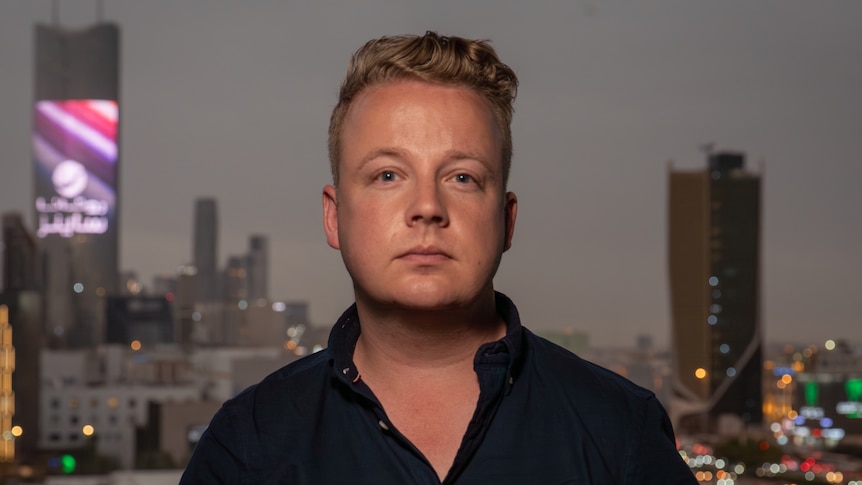
Greetings from Riyadh, the capital of Saudi Arabia. This is Matthew Doran, reporting on day 45 of the ongoing conflict, marking the sixth day of a ceasefire—albeit with exceptions in Lebanon—and the first day of the U.S. blockade on the Strait of Hormuz.
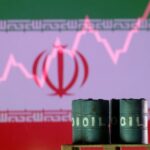
In the latest developments, the blockade of the Strait of Hormuz has commenced, following accusations from the U.S. claiming Iran engaged in “extortion” during initial peace negotiations. Shortly after the blockade was enacted, the U.S. president took to his Truth Social platform to declare that Iran’s naval capabilities had been “completely obliterated,” although he later acknowledged that Iran still possesses operational vessels. He cautioned that any such vessels approaching U.S. forces would be eliminated.
The Iranian regime, in response, has stated that any attempt by U.S. military forces to obstruct ships that have already passed through the Strait would be seen as an act of aggression. The Revolutionary Guard declared that any U.S. ships approaching the strait would be perceived as violating the ceasefire, adding that other ports in the Gulf region could become legitimate targets if tensions escalate.
Ship tracking data indicated that at least two vessels successfully navigated the strait prior to the blockade’s enforcement. Despite President Trump’s claims that other nations would join the blockade, countries like the UK and France have expressed a preference for a mission aimed at keeping the strait open once the conflict officially concludes.
Meanwhile, Pakistan’s Prime Minister has reiterated that “full efforts” are being made to end the war, despite the lack of progress from the initial round of talks he facilitated in Islamabad.
The toll from Israeli airstrikes has now reached 2,089 casualties, including 166 children. Israel has asserted that it eliminated 250 Hezbollah militants in the past week, coinciding with a surge in attacks on Lebanon following the announcement of a broader ceasefire. However, only six members of the Iranian-aligned group were named in their claims. The Israeli Defense Forces continue their ground operations in southern Lebanon, reportedly encircling the town of Bint Jbeil, ahead of discussions in Washington with Lebanese officials.
Observing from Riyadh, with rain and thunder outside, it becomes evident that the regional atmosphere is growing increasingly tense.
There is considerable uncertainty regarding the implications of the U.S. blockade, especially given that traffic through the Strait of Hormuz is relatively low. The potential for escalated hostilities exists, particularly with Trump’s threats against any ships approaching U.S. naval vessels, which could lead to renewed conflict in the Middle East.
Iran’s counter-threats targeting U.S. warships and its commitment to strike Gulf ports add to the volatility. Iran has accused the U.S. of maritime “piracy,” while the U.S. counters with similar accusations against Iran for imposing tolls for safe passage.
Even if this situation does not escalate into outright war, the persistent crisis in the Strait of Hormuz could have severe repercussions not only in the Middle East but globally as well. The United Nations Food and Agriculture Organization has cautioned that a prolonged dispute in the strait could trigger a worldwide food crisis, as rising fertilizer prices would make food production more expensive and difficult.
A long-term conflict could also impact China’s oil supply, as a significant portion travels through the Strait of Hormuz. Beijing has expressed concern regarding the war and shipping disruptions, and as the situation worsens, it may feel compelled to intervene to stabilize the situation.
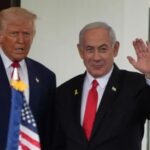
Meanwhile, Israeli Prime Minister Benjamin Netanyahu has aligned with Trump’s approach to the blockade. He emphasizes the strong cooperation between the U.S. and Israel in this conflict, a stance that reflects both international relations dynamics and domestic political considerations. Recent polls suggest that the Israeli public is dissatisfied with the temporary ceasefire, regardless of its status.
Netanyahu continues to advocate for the ongoing military campaign against Hezbollah, which is resulting in increasing civilian casualties. Upcoming talks between Israeli and Lebanese representatives in Washington are framed by Israel as an opportunity to secure Lebanon’s cooperation in disarming Hezbollah before pursuing a ceasefire.
This approach has drawn criticism from various quarters in the Middle East, with some arguing that Israel’s intentions are more about placating the Trump administration during critical negotiations than achieving a sustainable peace in the region.
Moreover, Wafiq Safa, a senior official, indicated that Hezbollah will not honor any agreements reached between Israel and Lebanon.
As for Australia, the ongoing situation has prompted discussions regarding the country’s fuel crisis, with calls emerging to revitalize its oil industry, although some key facts appear to be overlooked in the discourse.
Stay informed with continuous updates from Iran and surrounding areas throughout the day. Thank you for your attention, and I look forward to sharing more insights with you tomorrow.