
Former Conservative Chancellor Jeremy Hunt has suggested the introduction of a “social tariff” aimed at assisting British citizens with the escalating energy expenses exacerbated by the ongoing conflict in Iran. A recent analysis by the Resolution Foundation indicates that households are expected to be nearly £500 poorer this year due to rising costs.
The think tank highlighted the pressures of increased gas, electricity, and fuel prices, urging government officials to expedite the implementation of a social tariff before the winter months, when energy expenses are anticipated to peak. The foundation estimates that the initiative could cost approximately £3.7 billion.
During a panel discussion hosted by the foundation on Monday, Hunt emphasized that a social tariff represents the “most promising approach,” as it would enable targeted financial assistance for low-income families, regardless of their benefit status.
He proposed a “targeted, time-limited” funding package ranging from £5 billion to £10 billion for one year, asserting that this could be achieved within the fiscal framework outlined by Rachel Reeves, while also preventing adverse long-term effects from increasing public debt that could hinder economic growth.
Hunt mentioned that the Treasury is “mindful of our fiscal position,” suggesting that those not benefiting from the social tariff may experience slightly higher bills to subsidize the reduced costs for eligible households.
He acknowledged that it would be politically simpler for Reeves to postpone addressing the issue until the upcoming budget in November. However, he cautioned that if she were to announce a social tariff along with increased bills for the majority to fund assistance for the lower-income segment, it could undermine the policy’s viability.
The Resolution Foundation indicated that current market trends suggest rising energy prices could lead to a downturn in living standards. Their research indicates that the average working-age household, which had previously been projected to see a 0.9% increase in income this year before the onset of the Iran conflict, may now experience a 0.6% decrease—an overall difference of £480.
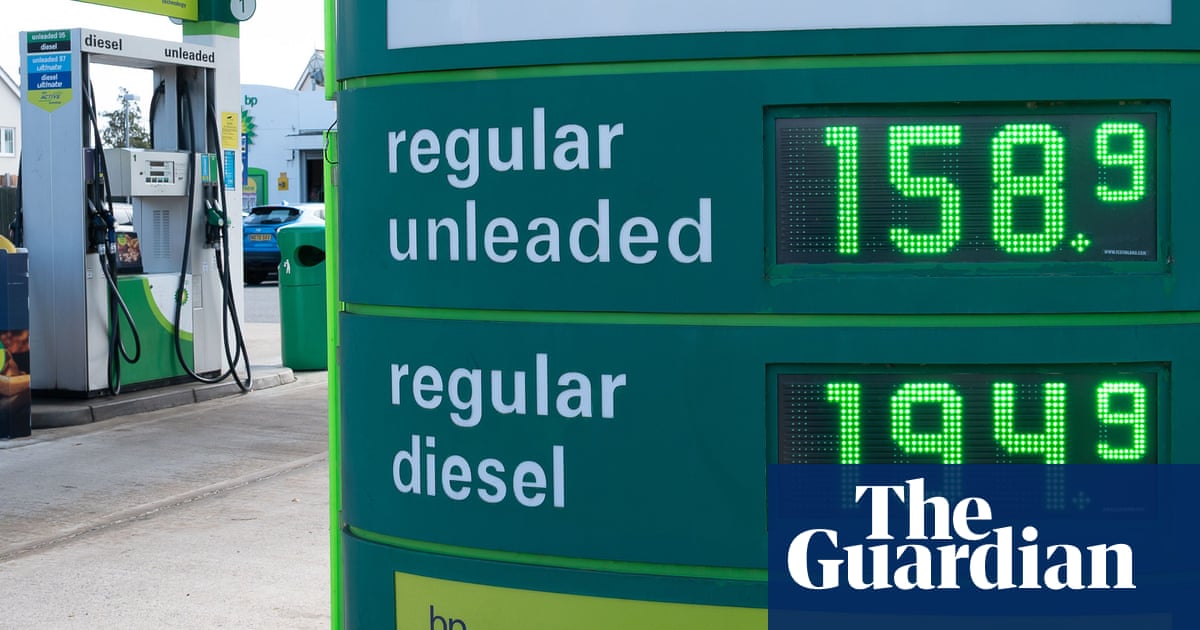
In recent weeks, oil and gas prices have surged, with Brent crude exceeding $100 (£74) per barrel again on Monday.
Despite a long-awaited increase in benefits for certain low-income households, the foundation estimates that average income growth for the lowest income quintile will only reach 1.2% this year, down from a previously anticipated 2.8% prior to the Iran conflict.
However, the outlook is more favorable for UK families in the lower half of the income distribution with three or more children. The Resolution Foundation estimates that the removal of the two-child limit will lead to a 7.7% increase in income for this group this year, contrasting with stagnant growth for families with fewer than three children.
Jonathan Marshall, the foundation’s principal economist, noted that energy bills are likely to rise this summer, negating the £117 average savings for households resulting from a reduction in the energy price cap by the regulator in April.
Hunt remarked that the current surge in energy prices is “nothing like 2022,” when costs soared following Russia’s invasion of Ukraine, indicating that the markets would not support another broad-based financial relief package for all households.
In 2022, former Prime Minister Liz Truss took steps to mitigate the impact of energy price hikes for all households.
Dhara Vyas, the CEO of Energy UK, emphasized the critical need to transition towards renewable energy sources to lessen Britain’s dependence on oil and gas, stating, “Our energy security is more at risk now than it has ever been.”
Analysts predict that crude oil prices will remain high in the upcoming months, with JP Morgan Chase projecting prices above $100 a barrel in the second quarter, followed by a potential decline in the latter half of the year. Goldman Sachs recently adjusted its forecast for Brent crude, now anticipating an average of $90 a barrel in the second quarter, down from a previous estimate of $99.
James Smith, chief economist at the Resolution Foundation, remarked, “Despite hopes for a sustained peace, the trajectory of this conflict remains uncertain, and energy prices are still significantly above pre-war levels, resulting in declining purchasing power for many households this year.” He urged the government to take immediate action to establish a social tariff that could support households facing financial hardships this winter.